

This article was updated on October 22, 2025.
In today’s digital landscape, employee engagement is paramount to effective cybersecurity awareness. Traditional training methods often fall short, leading to disengaged users and increased vulnerability to cyber threats. Gamification has emerged as a transformative approach, enhancing engagement and retention in security awareness programs
Why Engagement Matters
Engaged employees are more likely to:
- Retain critical security information.
- Apply learned practices in real-world scenarios.
- Share knowledge with peers, fostering a security-conscious culture.
- Take proactive responsibility for cybersecurity.
However, many organizations struggle to achieve this level of engagement with conventional training methods.
The Rise of Gamified Training
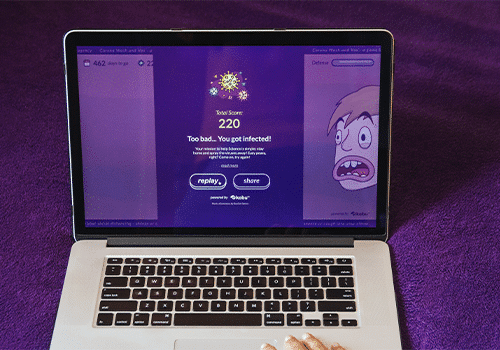
Gamification integrates game-like elements—such as points, leaderboards, badges, and interactive scenarios—into training programs. This approach transforms passive learning into an active, enjoyable experience.
According to Pluralsight, gamified cybersecurity awareness programs can boost employee engagement by 60% and productivity by 43% . Additionally, the Ponemon Institute reports that security culture improves by 46% when training includes peer-based elements like team games and interdepartmental challenges .(Keepnet Labs, LinkedIn)
How Gamified Training Enhances Learning
Gamified training increases engagement by:
- Encouraging active participation through interactive scenarios.
- Fostering friendly competition with leaderboards and rewards.
- Providing immediate feedback, reinforcing correct behaviors.(Keepnet Labs)
For instance, a gamified phishing simulation might present users with a mock inbox, challenging them to identify phishing attempts. This hands-on approach allows employees to practice in a risk-free environment, enhancing their ability to recognize and respond to real threats.
Benefits of Gamification in Security Awareness
Implementing gamified training offers several advantages:
- Improved Retention: Interactive challenges help reinforce security practices, aiding long-term memory.
- Increased Motivation: Rewards and recognition boost morale and encourage continued participation.
- Enhanced Collaboration: Team-based challenges promote a collective approach to cybersecurity.(Keepnet Labs, LinkedIn)
Research indicates that gamification can significantly enhance various skills, including self-efficacy, goal setting, and cooperation. (IEEE Computer Society)
Implementing Gamified Training
When considering gamification for your organization:
- Assess Company Culture: Determine what motivates your employees—competition, collaboration, or problem-solving.
- Tailor the Experience: Design training that aligns with employees’ roles and daily workflows.
- Choose the Right Provider: Partner with experts experienced in both traditional and gamified eLearning to ensure effective implementation.
Global Learning Systems, with over 30 years of experience in eLearning, offers customized solutions to enhance your security awareness programs. Our expertise ensures that your training is not only informative but also engaging and effective.
By embracing gamified training, organizations can foster a proactive security culture, reduce vulnerabilities, and empower employees to become active participants in cybersecurity.
Global Learning Systems has helped hundreds of customers choose and deploy both traditional and gamified training content. For more information on gamification and how to choose the best training for your organization, contact us today.